Best Cat Breeds for Families: Temperament and Care
Table of Contents
When you’re considering adding a new furry member to your family, choosing the right family-friendly cat breed is crucial.
With so many breeds to choose from, it can be overwhelming to decide which one is best suited for your household.
The temperament and care requirements of a cat breed are essential factors to consider, especially if you have children.
You need a breed that is not only affectionate and gentle but also easy to care for.
Understanding What Makes a Cat Family-Friendly
When considering a cat for your family, it’s essential to understand what makes a cat truly family-friendly. The right cat can bring joy and companionship to your household, but it’s crucial to choose a breed that fits your family’s lifestyle.
Key Temperament Traits for Family Cats
A family-friendly cat should have a temperament that is gentle, patient, and affectionate. Look for breeds known for their calm and even-tempered nature, as they are more likely to interact well with children and other family members. Cats that are too aggressive or fearful may not be the best fit for families, especially those with young children.
Some of the key temperament traits to look for include:
- Gentleness
- Patience
- Affectionateness
- Playfulness
Breeds that exhibit these traits are often considered among the top cat breeds for families. For instance, breeds like the Maine Coon and Ragdoll are known for their gentle giant reputation, making them excellent choices.
Activity Levels and Space Requirements
The activity level and space requirements of a cat are also crucial factors to consider. Families living in smaller spaces may prefer cats that are less demanding in terms of exercise, while larger families with more space may be able to accommodate more energetic breeds.
Consider your lifestyle and living situation when choosing a cat. If you’re away from home for extended periods, a lower maintenance cat might be more suitable. On the other hand, if you have a spacious home and enjoy interactive play, a more energetic breed could be an ideal cat breed for families like yours.
Assessing Your Family’s Lifestyle and Needs
Before bringing a new cat into your family, it’s essential to assess your lifestyle and needs to ensure a harmonious match. This assessment will help you choose a cat breed that fits well with your family’s dynamics.
Considering Children’s Ages and Personalities
The age and personality of your children are crucial factors in selecting a cat breed. For families with young children, a gentle and patient cat breed is often the best fit. Breeds like the Maine Coon and Ragdoll are known for their calm temperament, making them suitable for households with kids.
Time Commitment and Schedule Evaluation
Your family’s schedule and ability to commit time to your cat are vital considerations. Some cat breeds require more attention and interaction than others. If you have a busy schedule, a low-maintenance breed might be more suitable. Consider breeds that are independent and don’t demand constant interaction.
Budget Considerations for Cat Ownership
Owning a cat comes with various expenses, including food, litter, veterinary care, and supplies. It’s essential to evaluate your budget to ensure you can provide for your cat’s needs. Initial costs include adoption fees, spaying/neutering, and initial vaccinations. Ongoing expenses include food, litter, and regular veterinary check-ups.
Best Cat Breeds for Families: Top Recommendations
Families looking for a new feline companion will find that certain cat breeds are more suitable than others due to their gentle nature and playful personalities. When selecting a cat breed, it’s essential to consider factors such as temperament, energy levels, and grooming needs to ensure compatibility with your family’s lifestyle.

Gentle Giants: Maine Coon and Ragdoll
The Maine Coon and Ragdoll are two breeds known for their gentle giant characteristics. The Maine Coon is one of the largest domesticated breeds, with a muscular build and a distinctive shaggy coat. They are known for their friendly, outgoing personalities and are often described as “dog-like” in their behavior, as they tend to follow their owners around the house.
The Ragdoll lives up to its name, with a tendency to go limp when picked up. This breed is extremely affectionate and loves human interaction. Both breeds are relatively low maintenance when it comes to grooming, despite their thick coats, making them ideal for families who want a large, gentle cat.
Playful Companions: American Shorthair and Abyssinian
For families seeking a more playful companion, the American Shorthair and Abyssinian breeds are excellent choices. The American Shorthair is a sturdy breed with a broad face and short, dense coat. They are known for their easy-going nature and are generally great with children.
The Abyssinian is a high-energy breed with a slender build and a distinctive ticked coat. They are highly intelligent and active, requiring plenty of stimulation and exercise to keep them happy and healthy. Both breeds are well-suited to families who enjoy interactive play and can provide the necessary attention and activity.
Laid-Back Breeds Perfect for Busy Households
If you’re looking for a cat that fits into your busy lifestyle, consider breeds known for their calm nature. These cats are not only affectionate but also don’t demand constant attention, making them perfect for families on the go.
British Shorthair: The Calm Companion
The British Shorthair is renowned for its easy-going and calm demeanor. This breed is not overly demanding and is happy to simply be around their family without needing constant interaction. Their laid-back nature makes them an excellent choice for busy households.
They are also known for their robust health and short, easy-to-maintain coats. With a history dating back to ancient times, the British Shorthair has evolved into a sturdy and affectionate companion.
Persian: The Quiet Lounger
Persian cats are another breed that thrives in a calm environment. Known for their beautiful long coats, they are generally quiet and laid-back, preferring to lounge around the house rather than engage in high-energy activities.
Their calm nature means they are less likely to be stressed by a busy household, and they appreciate the occasional gentle petting session. However, their long coats require regular grooming to prevent matting.
Exotic Shorthair: The Low-Maintenance Lap Cat
The Exotic Shorthair is a breed that combines the calm characteristics of the Persian with a shorter, easier-to-maintain coat. They are known for being quiet and laid-back, making them suitable for busy families.
These cats enjoy human company but are not overly demanding. They are happy to curl up on a lap for some quiet time, making them an excellent companion for those who want a low-maintenance yet affectionate pet.
In conclusion, breeds like the British Shorthair, Persian, and Exotic Shorthair are ideal for busy households due to their calm and laid-back nature. They offer companionship without the high maintenance, making them perfect for families with hectic schedules.
Active and Playful Breeds for Energetic Families
If you’re an active family looking for a cat that can keep up, consider breeds known for their energetic and playful nature. These cats are perfect for households that enjoy interactive play and can provide the stimulation these breeds crave.
Siamese: The Vocal Entertainer
The Siamese breed is renowned for its outgoing and affectionate personality. They are highly intelligent and require engagement through play or interaction. Their vocal nature means they will “talk” to you about their needs and wants, making them entertaining companions.
To keep a Siamese cat happy, you’ll need to provide plenty of toys and engage in regular play sessions. They thrive on attention and can become destructive if bored.
Bengal: The Athletic Adventure Cat
Bengal cats are known for their energetic and athletic ability. They love to climb, jump, and play, making them ideal for families who enjoy an active lifestyle. Bengals are highly curious and require a stimulating environment to prevent boredom.
Providing a Bengal with puzzle toys and climbing structures can help keep them occupied. They also benefit from interactive play to burn off their abundant energy.
Burmese: The People-Oriented Playmate
The Burmese breed is characterized by its friendly and outgoing nature. They are highly social and enjoy being around people, making them great companions for families. Burmese cats are playful and require regular interaction to stay happy and healthy.
Engaging a Burmese in play or simply cuddling on the couch can strengthen your bond with them. They are adaptable to various living situations as long as they receive adequate attention.
Choosing the right cat breed for your family’s lifestyle is crucial. For energetic families, breeds like the Siamese, Bengal, and Burmese can be excellent choices, offering companionship and entertainment through their playful and affectionate nature.
Hypoallergenic Options for Families with Allergies
Allergies shouldn’t stop you from enjoying the companionship of a cat; several breeds are known for being hypoallergenic. While no cat is 100% allergen-free, certain breeds produce fewer allergens than others, making them ideal for families with allergy concerns.
Siberian: Natural Allergy Resistance
The Siberian cat breed is known for its natural resistance to allergens. Despite having a thick coat, Siberians produce lower levels of Fel d 1, the primary allergen responsible for triggering allergies in humans. This makes them a great choice for families who want a cat with a robust personality and a lower allergenic impact.
Balinese: Low-Allergen Elegance
The Balinese breed is another hypoallergenic option, characterized by its striking appearance and low-shedding coat. Balinese cats produce fewer allergens, making them suitable for households where allergy sufferers live. Their outgoing and affectionate nature also makes them a great fit for families.
Russian Blue: Minimal Shedding, Maximum Affection
Russian Blues are known for their plush, short coats that shed minimally, reducing the amount of allergens released into the environment. Their calm and reserved nature, combined with their hypoallergenic coat, makes them an excellent choice for families looking for a low-maintenance yet loving companion.
| Breed | Allergy-Friendly Characteristics | Personality Traits |
|---|---|---|
| Siberian | Lower Fel d 1 production | Robust, playful |
| Balinese | Low-shedding coat | Affectionate, outgoing |
| Russian Blue | Minimal shedding | Calm, reserved |
When choosing a hypoallergenic cat breed, it’s essential to spend time with the cat to gauge your allergic reaction. While these breeds are considered more allergy-friendly, individual reactions can vary. By selecting the right breed, you can enjoy the companionship of a cat while minimizing allergy issues.
Introducing Your New Cat to the Family
As you prepare to introduce your new cat to the family, it’s essential to consider the steps that will make this transition as stress-free as possible for everyone involved. A well-planned introduction can significantly impact the long-term harmony of your household.
Creating a Safe Transition Space
Before bringing your new cat home, designate a quiet room where your cat can acclimate to its new environment without feeling overwhelmed. This room should be equipped with all the necessities, including food, water, litter, and toys. By providing a safe space, you’re allowing your cat to gradually become comfortable with its new surroundings.
Proper Introduction Techniques for Children
When introducing your cat to children, it’s crucial to teach them how to interact gently and respectfully. Supervise the initial interactions closely to ensure both the child and the cat are comfortable. Educating your children on the importance of gentle petting and not disturbing the cat when it’s sleeping or eating will help prevent any adverse reactions.
Integrating with Other Pets
If you have other pets in the household, introducing them to the new cat should be done gradually. Start by keeping the pets separated and allowing them to become familiar with each other’s scents and sounds. Once you feel it’s safe, begin supervised interactions in a neutral area, rewarding calm behavior. This gradual integration can help prevent conflicts and ensure a peaceful coexistence among your pets.
By following these guidelines, you can create a welcoming environment for your new cat, ensuring a smooth transition for both your family and your new pet. Whether you’re bringing home one of the top cat breeds for families or a rescue cat, the key to a happy home lies in a thoughtful and well-executed introduction.
Essential Care Requirements for Family Cats
Ensuring your family cat leads a healthy life involves a multifaceted care approach that includes proper nutrition, regular grooming, and a welcoming home environment. As a responsible cat owner, understanding these essential care requirements is crucial for maintaining your cat’s overall well-being.
Nutrition and Feeding Guidelines
Providing your cat with the right nutrition is fundamental to their health. High-quality cat food that is rich in protein and low in fillers can help maintain your cat’s optimal weight and support their overall health. It’s also important to follow feeding guidelines based on your cat’s age, size, and activity level.
For instance, kittens require more frequent feeding than adult cats, while senior cats may need easier-to-digest food. Always consult with your veterinarian to determine the best diet for your family cat.
Grooming Needs by Breed Type
Grooming is another critical aspect of cat care that varies significantly by breed. Long-haired breeds like the Maine Coon and Ragdoll require regular brushing to prevent matting and tangling, while short-haired breeds like the British Shorthair may need less frequent grooming.
Regular grooming not only keeps your cat’s coat clean and healthy but also provides an opportunity to check for any skin issues or parasites.
Creating Cat-Friendly Spaces in Your Home
Creating a cat-friendly environment is essential for your cat’s comfort and happiness. This includes providing cozy resting areas, vertical spaces for climbing, and stimulating toys to keep your cat engaged.
Ensure that your home is safe for your cat by removing hazardous materials and securing toxic substances out of reach. By doing so, you can create a welcoming and safe space for your family cat to thrive.
Health Considerations for Family Cat Breeds
When choosing a family cat breed, it’s crucial to consider the health aspects to ensure a happy and healthy pet. Different cat breeds have unique health profiles that can significantly impact their quality of life and your family’s lifestyle.
Common Genetic Health Issues by Breed
Certain cat breeds are prone to specific genetic health issues. For example, Maine Coon cats can be susceptible to hypertrophic cardiomyopathy, a heart condition. Persian cats, with their flat faces, can experience respiratory issues and require regular grooming to prevent skin problems. Understanding these breed-specific health issues can help you prepare for the potential veterinary care your cat may need.
- Maine Coon: Hypertrophic cardiomyopathy
- Persian: Respiratory issues, skin problems
- Siamese: Gastrointestinal issues, amyloidosis
Preventative Care and Veterinary Visits
Regular veterinary check-ups are vital for maintaining your cat’s health. Preventative care includes vaccinations, parasite control, and dental care. Many health issues can be managed or prevented with early detection and proper care. For instance, regular check-ups can help identify signs of common conditions like diabetes or kidney disease.
Annual or bi-annual veterinary visits can significantly improve your cat’s quality of life by ensuring they receive timely medical interventions.
Pet Insurance and Emergency Planning
Pet insurance can help cover unexpected veterinary expenses, reducing financial stress during emergencies. When selecting a pet insurance plan, consider the coverage options, deductibles, and any breed-specific conditions that may be excluded. Having a financial safety net for your pet’s health needs can provide peace of mind for your family.
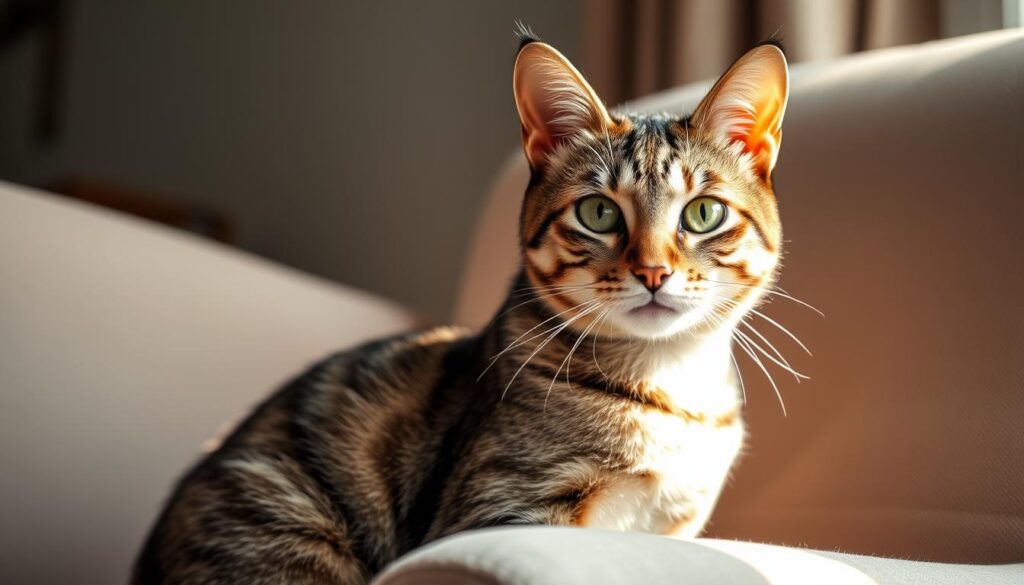
By understanding the health considerations for different family cat breeds and taking proactive steps, you can ensure a long, healthy, and happy life for your pet.
Conclusion: Finding Your Perfect Feline Family Member
Choosing the right cat breed for your family can be a daunting task, but by considering your lifestyle, needs, and preferences, you can find the perfect feline companion. The best cat breeds for families are those that are gentle, playful, and adaptable.
As you’ve seen, different breeds excel in various areas, from laid-back companions to active playmates. By assessing your family’s unique situation and matching it with the characteristics of various breeds, you can ensure a harmonious and happy home for both your family and your new cat.
Whether you’re looking for a low-maintenance lap cat or an energetic playmate, there’s a breed out there that’s sure to fit your needs. Take the time to research, and don’t hesitate to reach out to breeders or rescue organizations to find your perfect feline family member among the best cat breeds for families.