Best Dog Breeds: How to Choose the Perfect Dog for Your Lifestyle

Table of Contents
Choosing a dog is a significant decision, one that brings years of joy, companionship, and sometimes, a furry little challenge. You’re not just picking a pet; you’re welcoming a new member into your family, a creature with specific needs, a unique personality, and a breed predisposition towards certain traits. The sheer variety of dog breeds can feel overwhelming. From the tiny, spirited Chihuahua to the majestic Great Dane, how do you navigate this vast array to find the best dog breed for your unique life?
This article is your comprehensive guide to making that crucial choice. We’ll help you understand that the “best” dog isn’t a universal standard but rather the dog breed that harmoniously integrates with your individual routines, living situation, activity level, and even your grooming tolerance. By considering key factors, you’ll be equipped to make an informed decision that leads to a fulfilling relationship with your canine companion. Forget simply falling for the cutest face; let’s explore how to find the perfect furry fit for your lifestyle.
Understanding Your Lifestyle: The First Step to Finding the Best Dog Breed
Before you even start browsing pictures of adorable puppies, the most critical step is to honestly assess your own lifestyle. This isn’t about finding a dog to fit into your life but finding a dog whose needs align with how you inherently live or are willing to adjust. Here are some crucial questions to ask yourself:
- How active are you? Are you a marathon runner looking for a canine running buddy, a casual walker who enjoys a stroll in the park, or more of a homebody? High-energy breeds require significant daily exercise and can become destructive if bored or understimulated. Low-energy breeds are content with less activity.
- What is your living situation like? Do you live in a spacious house with a large fenced yard, a small apartment, or something in between? While some large breeds can adapt to apartment living with sufficient exercise, others truly thrive with more space. Consider noise levels and potential neighbor issues.
- How much time can you dedicate to your dog? This includes time for training, exercise, grooming, play, and simply being present. Some breeds are independent, while others crave constant human interaction and can suffer from separation anxiety if left alone for long periods.
- What is your budget for dog ownership? Beyond the initial purchase or adoption fee, consider ongoing costs like food, veterinary care (including potential breed-specific health issues), grooming, toys, and licensing. Some breeds are known for higher vet bills due to genetic predispositions.
- Do you have children or other pets? A dog breed’s temperament is crucial when considering existing family members. Some breeds are known for their patience and tolerance with children, while others might be better suited to adult-only homes. Similarly, consider how a breed typically interacts with other animals.
- What is your tolerance for grooming? Are you prepared for daily brushing, frequent professional grooming appointments, and shedding? Long-haired breeds require significant grooming to prevent matting, while short-haired breeds may shed more but require less brushing. Hypoallergenic breeds are an option for those with allergies, though no dog is truly 100% hypoallergenic.
- What is your experience with dogs and training? Are you a first-time dog owner looking for a biddable, easy-to-train breed? Or are you an experienced handler comfortable with training challenges and managing powerful dogs? Some breeds are more independent and require consistent, firm training.
Honestly answering these questions provides a foundational understanding of the type of dog that will be the best dog breed for you, not just in theory, but in practical day-to-day living.
Exploring Popular Dog Breeds and Their Traits
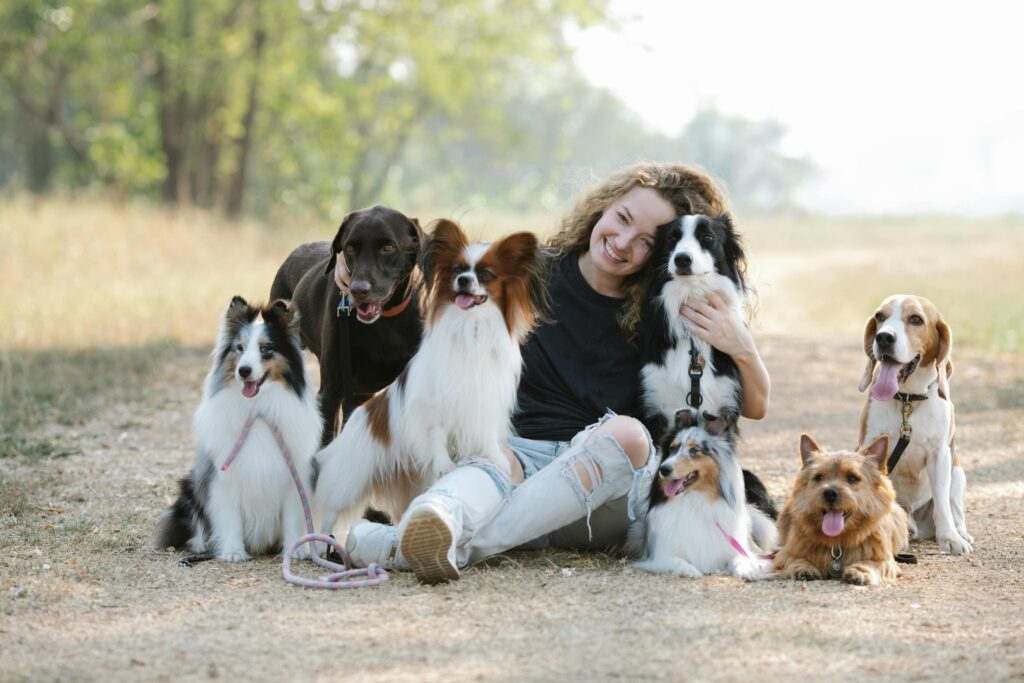
Once you have a clear picture of your lifestyle, you can begin exploring popular dog breeds. It’s essential to research beyond just appearance and focus on breed characteristics like energy levels, temperament, grooming needs, and trainability. Here’s a look at some common breed types and examples, highlighting how their traits align with different lifestyles:
High-Energy Breeds for Active Lifestyles
If your idea of a good time involves long hikes, runs, or intense play sessions, a high-energy breed might be your perfect match. These dogs thrive on activity and require significant mental and physical stimulation to be happy and well-behaved.
- Labrador Retriever: Consistently ranked as one of the best dog breeds globally, Labs are renowned for their friendly nature, intelligence, and boundless energy. They excel in various dog sports and activities and are excellent family dogs when provided with sufficient exercise. They are social and generally good with children and other pets.
- German Shepherd: Intelligent, loyal, and highly trainable, German Shepherds are popular working dogs. They require mental stimulation and plenty of exercise. Best suited for experienced owners who can provide consistent training and a clear leadership role.
- Border Collie: Considered one of the most intelligent dog breeds, Border Collies are working dogs with intense herding instincts and incredibly high energy levels. They need a job to do and are best suited for experienced, active owners who can provide ample opportunities for physical and mental stimulation, such as herding, agility, or obedience.
- Australian Shepherd: Energetic, intelligent, and loyal, Aussies (as they’re affectionately known) are also herding breeds that require significant exercise and mental engagement. They are active and playful, making them great companions for active families.
Moderate-Energy Breeds for Balanced Lifestyles

For those with a moderately active lifestyle that includes regular walks and playtime, a moderate-energy breed can be an excellent fit. These dogs enjoy activity but are also content to relax at home.
- Golden Retriever: Another consistently popular choice, Golden Retrievers are friendly, intelligent, and relatively easy to train. They enjoy being active but are also happy to relax with their families. Their gentle nature makes them excellent family dogs.
- Beagle: Known for their curious nature and strong scent drive, Beagles are playful and enjoy exploring. They require daily exercise but can be content in apartments or smaller homes if their exercise needs are met. Be prepared for their potential to be vocal!
- Bulldog: Despite their sometimes-stout appearance, Bulldogs enjoy walks and playtime but are not overly demanding in terms of exercise. They are generally calm and affectionate, making them good companions for less active households. However, they can have health issues related to their brachycephalic (short-faced) structure, requiring careful temperature management.
- Poodle (Standard): Highly intelligent and easily trainable, Standard Poodles are athletic and enjoy various activities. They are versatile and can adapt to different lifestyles as long as their exercise needs are met. Their hypoallergenic coat is a plus for allergy sufferers, but it requires regular professional grooming.
Low-Energy Breeds for Relaxed Lifestyles
If your ideal day involves cozying up on the couch, a low-energy breed might be your perfect companion. These dogs require less exercise and are content with shorter walks and indoor play.
- Bichon Frise: Cheerful, affectionate, and relatively low-maintenance in terms of exercise, Bichons are excellent companions for apartment dwellers or less active individuals. Their non-shedding coat requires regular grooming.
- Cavalier King Charles Spaniel: Gentle, affectionate, and adaptable, Cavaliers are happy to either play or cuddle on the couch. They are good with children and other pets and can thrive in various living situations.
- Shih Tzu: Known for their friendly and outgoing personalities, Shih Tzus are playful but require minimal exercise. Their long coat needs daily grooming.
- Great Dane: Despite their monumental size, Great Danes are surprisingly low-energy indoors. They require moderate exercise but are content to relax with their families. Due to their size, they need space and can benefit from a yard, though apartment living can be manageable with sufficient outdoor time.
This is just a small sample of the many best dog breeds available. Researching specific breeds that pique your interest and consulting with breed-specific rescue organizations or responsible breeders can provide invaluable insights.
Considering Specific Needs and Traits
Beyond energy levels, several other breed-specific traits can significantly impact whether a dog is the best dog breed for you:
- Grooming Requirements: This is a major consideration. Some breeds require daily brushing, professional grooming every few weeks, while others are relatively low-maintenance. Be honest about your willingness and ability to commit to grooming.
- Trainability and Temperament: Some breeds are eager to please and easy to train, while others are more independent or require specific training techniques due to their strong drives (e.g., prey drive, herding instinct). A breed’s general temperament – whether they are typically friendly, reserved, protective, etc. – should align with your expectations and social environment.
- Health Predispositions: Many breeds are prone to specific health issues. Researching common health problems for breeds you’re considering a crucial step. This allows you to be prepared for potential veterinary costs and special care needs.
- Vocalization: Some breeds are naturally more vocal than others. If you live in an apartment with thin walls or have neighbors close by, considering a less vocal breed might be wise.
- Shedding Levels: If you’re concerned about dog hair around your home, consider breeds that shed minimally or have hypoallergenic coats.
Beyond Breed: The Importance of the Individual Dog
While understanding breed characteristics is vital when searching for the best dog breed, it’s equally important to remember that every dog is an individual. Within any breed, there will be variations in personality, energy levels, and temperament.
- Consider Mixed Breeds: Don’t overlook the possibility of adopting a mixed-breed dog. Mixed breeds often inherit a blend of traits from their parent breeds and can be just as wonderful companions. Shelter staff can provide valuable insights into the personality of individual dogs.
- Meet the Parents (if applicable): If considering a puppy from a breeder, observing the temperament of the parent dogs can offer clues about the potential personality of the puppies.
- Spend Time with the Dog: Whether adopting from a shelter or buying from a breeder, spend time interacting with the dog. Observe their behavior, how they react to different situations, and see if their personality seems like a good match for your lifestyle.
Making Your Decision and Preparing for Your New Companion
Once you’ve done your research and narrowed down your choices, it’s time to make a decision and prepare for your new furry family member.
- Visit Shelters and Rescues: Many wonderful dogs of all breeds and mixes are looking for loving homes. Visiting local shelters or breed-specific rescues allows you to meet dogs and talk to staff who can help you find a good match.
- Find a Responsible Breeder: If you choose to buy from a breeder, research thoroughly to find a reputable one who prioritizes the health and temperament of their dogs. Ask for health clearances for the parent dogs and request to see where the puppies are raised.
- Prepare Your Home: Before your new dog arrives, dog-proof your home, purchase necessary supplies (food, bowls, leash, collar, toys, crate or bed), and establish rules and routines.
Choosing the best dog breed for your lifestyle is a journey of self-discovery and careful consideration. By honestly assessing your lifestyle, researching breed characteristics, and focusing on the individual dog, you significantly increase the likelihood of a successful and joyful companionship. The perfect dog is waiting for you; take the time to find the one that truly complements your life.
The Lifelong Commitment: Beyond Choosing the Best Dog Breed

Remember, bringing a dog into your home is a long-term commitment, often spanning 10 to 15 years or more. Your lifestyle may change over time, and it’s important to consider your ability to adapt and continue meeting your dog’s needs throughout their life stages. A puppy’s needs are different from those of a senior dog.
Finding the best dog breed isn’t just about the initial compatibility; it’s about being prepared for the responsibilities of dog ownership, including ongoing training, healthcare, socialization, and providing a loving and secure environment.
Ready to Find Your Perfect Canine Companion?

With a clear understanding of your lifestyle and the considerations for different best dog breeds, you are well on your way to making an informed decision. The process of choosing a dog is an exciting one!
What considerations were most important to you when choosing a dog? Share your experiences and insights in the comments below!