Breed Characteristics: Understand Dog Temperament, Energy & Needs

Table of Contents
Understanding Your Future Companion: A Deep Dive into Dog Breed Characteristics
Choosing the right dog to welcome into your home is a significant decision. It’s far more than just liking a cute face; it’s about finding a companion whose natural inclinations align with your lifestyle, your home environment, and your ability to meet their unique needs.
Delving into breed characteristics is not a mere academic exercise; it’s the crucial first step in ensuring a harmonious and fulfilling relationship for both you and your future canine family member. Are you prepared for the boundless energy of certain breeds, or do you envision a more laid-back companion? Do you understand the grooming demands of a long-coated breed, or are you better suited for a low-maintenance option? This article will equip you with the knowledge to navigate the fascinating world of dog breed characteristics, helping you make an informed choice that benefits everyone involved.
Why Breed Characteristics Matter: Beyond Looks
The physical appearance of a dog is only one facet of its identity. While a fluffy coat or striking markings might initially catch your eye, it’s the ingrained breed characteristics that truly define their temperament, energy levels, trainability, and overall needs. Understanding these inherent traits is vital for several reasons:
- Preventing Mismatches: Bringing home a dog whose energy levels far exceed your capacity for exercise, or a breed prone to separation anxiety when you have a demanding work schedule, can lead to frustration and unhappiness for both of you. It’s a common scenario, and a little upfront research into breed characteristics can prevent it entirely.
- Setting Realistic Expectations: Knowing the typical temperament of a breed – are they naturally outgoing, reserved, independent, or eager to please? – allows you to set realistic expectations for their behavior and training journey.
- Meeting Their Needs Effectively: Different breeds have different needs. Some require extensive grooming, others need significant mental stimulation, and some thrive on constant companionship. Understanding these breed characteristics ensures you can provide the care and environment they need to flourish.
- Ensuring a Happy Home: Ultimately, matching your lifestyle with a dog’s natural characteristics leads to a more harmonious and joyful living situation. Both you and your furry companion will be happier when your needs and yours are aligned.
Decoding Dog Temperament: Understanding Their Inner Nature

One of the most significant aspects of breed characteristics is temperament. A dog’s temperament influences how they react to people, other animals, and different situations. While individual personalities vary within a breed, studying common temperament traits provides invaluable insight.
- Social vs. Reserved: Some breeds are naturally gregarious and thrive on meeting new people and dogs. Others are more reserved and may be wary of strangers, requiring careful socialization. Understanding this helps you gauge how comfortable your dog will be in various social settings.
- Confident vs. Sensitive: Certain breeds exude confidence and are less easily rattled by unexpected noises or events. Others are more sensitive and may become anxious in stimulating environments. Your ability to provide a calm and secure environment is key for sensitive breeds.
- Playful vs. Serious: Many breeds maintain a playful spirit throughout their lives, eager for games and interaction. Others have a more serious demeanor and may be less inclined towards boisterous play.
- Affectionate vs. Independent: Some dogs crave physical closeness and constant attention, while others are more independent and content with their own company. Your desire for a cuddly companion versus a more self-sufficient dog should factor into your breed selection.
Consider your own personality and how it would mesh with a dog’s typical temperament. Are you an outgoing person who enjoys social outings and wants a dog to share those experiences with? Or are you more introverted and prefer a quieter, more independent companion? Matching your social preferences with their inherent temperament will contribute significantly to a successful relationship.
Energy Levels: Matching Your Pace with Their Power
A dog’s energy level is a critical breed characteristic that directly impacts your daily routine. Ignoring this can lead to behavioral issues and a stressed-out owner.
- High-Energy Breeds: These dogs require significant daily exercise, often including running, fetching, and engaging in active sports. Breeds like Border Collies, Jack Russell Terriers, and Siberian Huskies fall into this category. If you’re an active individual or family who enjoys outdoor activities and has ample time for exercise, a high-energy breed might be a good fit. However, if you lead a more sedentary lifestyle, a high-energy dog can become destructive or anxious due to pent-up energy.
- Moderate-Energy Breeds: These breeds require regular exercise but are generally content with daily walks, playtime in the yard, and perhaps a weekend hike. Most retrievers, many herding breeds, and some terriers fall into this category. They offer a good balance for families and individuals with active lifestyles but less extreme exercise demands.
- Low-Energy Breeds: These dogs are content with shorter walks and indoor playtime. Breeds like Basset Hounds, Bulldogs, and Great Danes typically have lower energy levels. They are well-suited for apartment living, less active individuals, or those with mobility limitations.
Be honest with yourself about how much time and energy you can realistically dedicate to exercising your dog. It’s better to err on the side of caution and choose a breed whose energy level you can comfortably match or exceed. Under-exercised dogs often develop behavioral problems out of boredom and frustration.
Grooming Needs: More Than Just Looking Good
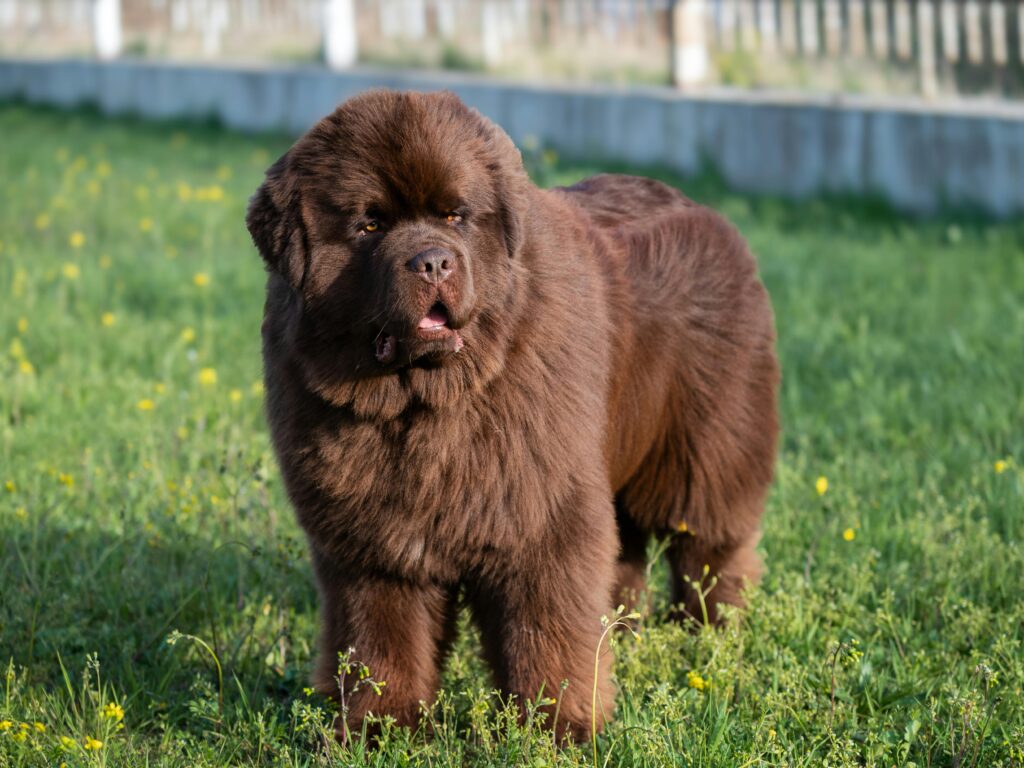
Grooming is an often-overlooked but essential aspect of breed characteristics. Different coat types require varying levels of care, and neglecting grooming can lead to discomfort, skin problems, and matted fur.
- High-Maintenance Coats: Long, thick, or curly coats often require daily brushing to prevent tangles and matting. Breeds like Poodles, Bichon Frises, and Afghan Hounds fall into this category and may also require professional grooming.
- Moderate-Maintenance Coats: These coats might require brushing several times a week to stay healthy and tangle-free. Many sporting breeds and some terriers have moderate grooming needs.
- Low-Maintenance Coats: Short or smooth coats generally require minimal brushing and occasional baths. Breeds like Labradors, Beagles, and Boxers are examples of low-maintenance groomers.
Consider your willingness and ability to commit to a regular grooming routine. If you’re short on time or patience for brushing, a low-maintenance breed would be a wiser choice. Factor in the potential cost and time involved in professional grooming for high-maintenance breeds.
Trainability and Intelligence: Understanding Their Capacity to Learn
While all dogs are capable of learning, some breeds are naturally more inclined to please and easier to train than others. This is another key breed characteristic to consider, especially for first-time dog owners.
- Highly Trainable Breeds: These breeds are often eager to please, intelligent, and respond well to positive reinforcement. Breeds like Border Collies, Poodles, and German Shepherds excel in obedience training and dog sports.
- Moderately Trainable Breeds: These dogs can be trained effectively with consistency and patience. Many working and sporting breeds fall into this category.
- Independent or More Challenging to Train Breeds: Some breeds are more independent or have a strong will, requiring more patience, consistency, and potentially professional guidance during training. Some Northern breeds and certain hounds can be more challenging to motivate.
Your experience level with dog training should play a role in your breed selection. If you’re new to dog ownership, a highly trainable breed can provide a more positive and rewarding training experience. If you’re an experienced owner looking for a challenge, a more independent breed might be a good fit.
Other Important Breed Characteristics to Consider

Beyond temperament, energy, grooming, and trainability, several other breed characteristics can influence compatibility:
- Health Tendencies: Research common health issues associated with specific breeds. Being aware of potential health concerns allows you to take preventative measures and be prepared for potential veterinary expenses.
- Size: Consider the adult size of the breed and whether it’s suitable for your living space and lifestyle. A giant breed might not be ideal for a small apartment, and a tiny dog might be too fragile for a household with young children.
- Barking Tendencies: Some breeds are more vocal than others. If you live in an apartment with close neighbors, a breed known for excessive barking might cause issues.
- Prey Drive: Certain breeds have a strong prey drive, which means they may be inclined to chase smaller animals. This is important to consider if you have cats, rabbits, or other small pets.
- Tolerance for Being Alone: Some breeds are prone to separation anxiety and thrive on constant human companionship. Others are more independent and can tolerate being left alone for reasonable periods.
Taking the time to research these additional breed characteristics will provide a more complete picture of what to expect and help you avoid potential challenges down the road.
Resources for Researching Breed Characteristics
Fortunately, there are numerous resources available to help you delve into the world of breed characteristics:
- Breed Clubs and Associations: These organizations often provide detailed information about specific breeds, including their history, characteristics, and care needs.
- Reputable Breed Information Websites: Websites from established kennel clubs (like the American Kennel Club or The Kennel Club) are excellent sources of accurate and comprehensive breed information.
- Breed-Specific Books: Many books are dedicated to specific dog breeds, offering in-depth insights into their characteristics and care.
- Talking to Breeders and Owners: Reputable breeders and experienced owners of a particular breed can offer invaluable first-hand knowledge and insights.
By utilizing these resources, you can gain a thorough understanding of the breed characteristics of potential canine companions and make a truly informed decision.
The Importance of Meeting the Individual Dog
While understanding breed characteristics provides a vital framework, it’s equally important to remember that every dog is an individual. Within any breed, there will be variations in temperament and energy levels.
- Observe their Behavior: When meeting a potential dog, observe their behavior in different situations. Are they confident or shy? Energetic or calm? How do they interact with you and other people?
- Ask Questions: Don’t hesitate to ask questions about the dog’s history, personality, and any known behavioral quirks.
- Consider the Environment: A dog’s environment and upbringing significantly influence their behavior. A dog from a loving and well-socialized home will likely have different traits than one from a neglectful situation.
Understanding the general breed characteristics gives you a baseline, but meeting the individual dog allows you to assess their specific personality and ensure a good fit.
Making an Informed Decision: Your Journey to a Happy Companion
Choosing a dog is a commitment, and it’s one that should be approached thoughtfully. By investing time in understanding breed characteristics, you are not just selecting a pet; you are choosing a furry family member who will hopefully bring joy and companionship to your life for many years to come. Consider your lifestyle, your living situation, your tolerance for grooming and exercise, and your experience with dog ownership. Be honest with yourself about what you can realistically provide for a dog.
By carefully researching and considering breed characteristics, and by meeting the individual dog with an open mind and observant eye, you increase your chances of finding a canine companion who is not only a joy to be around but who will also thrive in your care. Your efforts in understanding their inherent needs will be rewarded with a loyal, loving, and fulfilling relationship.
What factors do you consider most important when researching dog breed characteristics? Share your thoughts and experiences in the comments below!