Raw Diet for Cats: Pros, Cons, and How to Feed Safely
Table of Contents
As a cat owner, you’re likely always on the lookout for ways to improve your pet’s health and wellbeing. One trend that has gained significant attention in recent years is the raw diet for cats. Proponents of this approach claim that it can lead to numerous benefits, including improved digestion, reduced shedding, and increased energy levels. However, it’s essential to weigh these potential advantages against the potential risks and understand how to implement this type of diet safely.
You may be wondering if switching to a raw diet is right for your feline friend. The decision to make this significant change in your cat’s eating habits should be informed by a thorough understanding of the pros and cons. In this article, we’ll explore the importance of raw diet for feline health and provide guidance on how to navigate this complex topic.
Understanding Raw Diet for Cats
Understanding the raw diet for cats requires looking into their biological makeup and natural feeding habits. Cats are obligate carnivores, meaning they require a diet rich in protein from animal sources. Their digestive system is designed to process meat, and they have specific nutritional needs that are best met through a diet that includes raw, unprocessed foods.
The Biological Basis for Raw Feeding
Cats in the wild consume prey that includes muscle meat, bones, and organs. This natural diet provides them with the necessary nutrients, vitamins, and minerals. The biological basis for raw feeding is to replicate this natural diet as closely as possible. Proponents argue that it leads to better health outcomes, including improved digestion and reduced incidence of chronic diseases.
Key components of a biologically appropriate raw diet include:
- High-quality protein sources (e.g., chicken, beef, fish)
- Raw bones for calcium and dental health
- Organ meats for vitamins and minerals
Different Types of Raw Diets
There are several approaches to feeding cats a raw diet. Some owners choose to prepare homemade raw meals, while others opt for commercial raw diet products. Commercial options can include frozen, freeze-dried, or dehydrated raw foods. Each type has its advantages and considerations, including cost, convenience, and nutritional balance.
When choosing a raw diet, it’s essential to consider the following:
- Nutritional completeness: Ensure the diet meets your cat’s nutritional needs.
- Quality of ingredients: Choose products or ingredients that are fresh and of high quality.
- Handling and storage: Proper handling and storage are crucial to prevent bacterial contamination.
The Benefits of a Raw Diet for Cats
The benefits of a raw diet for cats are numerous, ranging from improved digestive health to enhanced dental wellbeing. By switching to a raw diet, you can significantly improve your cat’s overall health and quality of life.
Improved Digestive Health
A raw diet can lead to improved digestive health in cats. This is because raw food is closer to a cat’s natural diet, making it easier for them to digest. Improved digestion can result in fewer instances of digestive issues such as diarrhea or constipation.
- Reduced symptoms of digestive disorders
- Improved nutrient absorption
- Better stool quality
Better Dental Health
Raw diets can also contribute to better dental health for your cat. Chewing on raw meat and bones helps to remove plaque and tartar from their teeth, reducing the risk of dental problems.
- Reduced plaque and tartar buildup
- Less risk of gum disease
- Healthier gums and teeth
Healthier Coat and Skin
A raw diet rich in essential fatty acids and nutrients can lead to a healthier coat and skin for your cat. This can result in a shinier, healthier-looking coat and reduced skin issues.
Weight Management and Muscle Tone
Raw diets can help with weight management and muscle tone in cats. By providing a balanced and nutrient-rich diet, you can help your cat maintain a healthy weight and improve their muscle tone.
- Better weight management
- Improved muscle tone
- Enhanced overall physical condition
By understanding the benefits of a raw diet for cats, you can make an informed decision about whether this diet is right for your feline friend.
Potential Risks and Concerns
While a raw diet can offer numerous benefits for your cat, it’s crucial to be aware of the potential risks involved. As you consider transitioning your cat to a raw diet, understanding these risks will help you make an informed decision.
Bacterial Contamination Risks
One of the significant risks associated with a raw diet is bacterial contamination. Raw meat can harbor harmful bacteria like Salmonella and E. coli, which can pose a risk not only to your cat but also to your family, especially those with weakened immune systems.
To mitigate this risk, it’s essential to handle raw ingredients safely. This includes storing them properly, preparing them in a clean environment, and washing your hands thoroughly after handling raw meat.
Nutritional Imbalances
Another concern with a raw diet is the potential for nutritional imbalances. Cats have specific dietary needs that must be met to ensure their overall health. A raw diet that is not well-planned can lead to deficiencies or excesses in crucial nutrients.
To avoid this, it’s crucial to formulate a diet that includes a variety of ingredients. Consulting with a veterinarian or a certified animal nutritionist can help ensure that your cat’s raw diet is nutritionally balanced.
Cost and Time Considerations
Feeding your cat a raw diet can also be more costly and time-consuming compared to traditional commercial cat foods. Sourcing high-quality ingredients from reputable raw cat food suppliers can be expensive.
| Aspect | Raw Diet | Commercial Diet |
|---|---|---|
| Cost | Higher | Lower |
| Time Commitment | Higher | Lower |
| Nutritional Control | Customizable | Fixed Formulation |
When transitioning to a raw diet for cats, it’s essential to consider these factors and plan accordingly. Choosing the best ingredients for raw cat food and being mindful of the potential risks can help ensure a successful transition.
Essential Nutrients Your Cat Needs
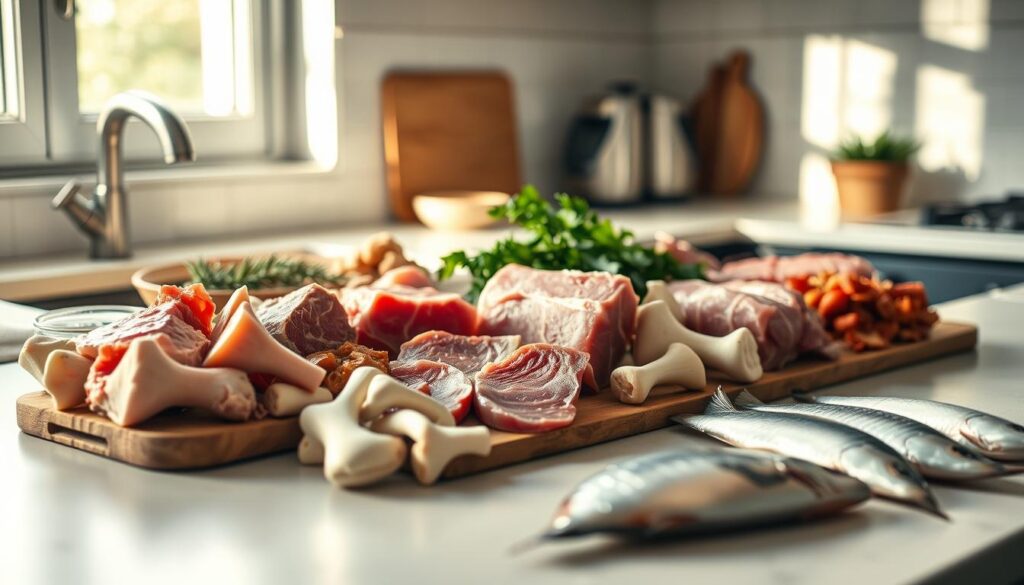
Understanding the essential nutrients for cats is vital for a successful raw feeding regimen. Cats are obligate carnivores, requiring a diet rich in protein and fat from animal sources.
Protein Requirements
Cats need a high amount of protein in their diet, which should come from animal sources such as meat, poultry, and fish. The protein should be fresh and of high quality to ensure optimal health.
Fat Content and Quality
Fat is another crucial component of a cat’s diet, providing energy and aiding in the absorption of vitamins. The quality of fat is important, with sources like chicken fat and salmon oil being highly beneficial.
Vitamins and Minerals
Vitamins and minerals play a significant role in maintaining your cat’s overall health. While a raw diet can provide many of these nutrients, it’s essential to ensure that the diet is balanced to avoid deficiencies.
Taurine and Other Critical Amino Acids
Taurine is an essential amino acid for cats, crucial for heart health and vision. It is found in animal-based ingredients and must be included in adequate amounts in a raw diet.
To illustrate the nutritional requirements, here’s a simple table outlining the key nutrients and their sources:
| Nutrient | Importance | Sources |
|---|---|---|
| Protein | Essential for overall health and muscle maintenance | Meat, poultry, fish |
| Fat | Provides energy and aids in vitamin absorption | Chicken fat, salmon oil |
| Taurine | Crucial for heart health and vision | Animal-based ingredients |
| Vitamins and Minerals | Supports overall health and prevents deficiencies | Various raw ingredients, supplements if necessary |
How to Start a Raw Diet for Cats
If you’re considering a raw diet for your cat, understanding the initial steps is crucial. Transitioning to a raw diet can be a significant change for both you and your pet, but with careful planning, it can be a rewarding decision for your cat’s health.
Consulting with Your Veterinarian
Before making any changes to your cat’s diet, it’s essential to consult with your veterinarian. They can provide guidance based on your cat’s health status, age, and any pre-existing conditions. This consultation is a critical step in ensuring that a raw diet is the right choice for your cat.
Choosing Between Commercial and Homemade Options
You have two primary options when it comes to raw feeding: commercial raw cat food and homemade raw diets. Commercial options offer convenience and are formulated to meet nutritional standards, but they can be more expensive. Homemade diets allow for customization but require a good understanding of feline nutritional needs to avoid deficiencies.
Equipment and Supplies You’ll Need
To manage a raw diet effectively, you’ll need certain equipment and supplies. Here’s a basic list:
| Equipment/Supply | Purpose |
|---|---|
| Freezer | Storage of raw meat and ingredients |
| Cutting Board | Preparation of raw ingredients |
| Meat Grinder or Food Processor | Grinding meat and mixing ingredients |
| Storage Containers | Portioning and storing meals |
Setting a Realistic Budget
The cost of a raw diet can vary significantly depending on whether you choose commercial or homemade options. When setting a budget, consider the cost of ingredients, equipment, and any potential veterinary costs associated with monitoring your cat’s health on a raw diet.
Transitioning your cat to a raw diet is a personal decision that requires careful consideration and planning. By understanding the steps involved and consulting with professionals, you can make an informed decision that’s best for your cat’s health and well-being.
Creating Balanced Raw Meals at Home
To ensure your cat thrives on a raw diet, you need to know how to prepare balanced meals. Creating a balanced raw diet at home requires a good understanding of your cat’s nutritional needs and the right ingredients.
Basic Raw Diet Formula (80-10-10 Rule)
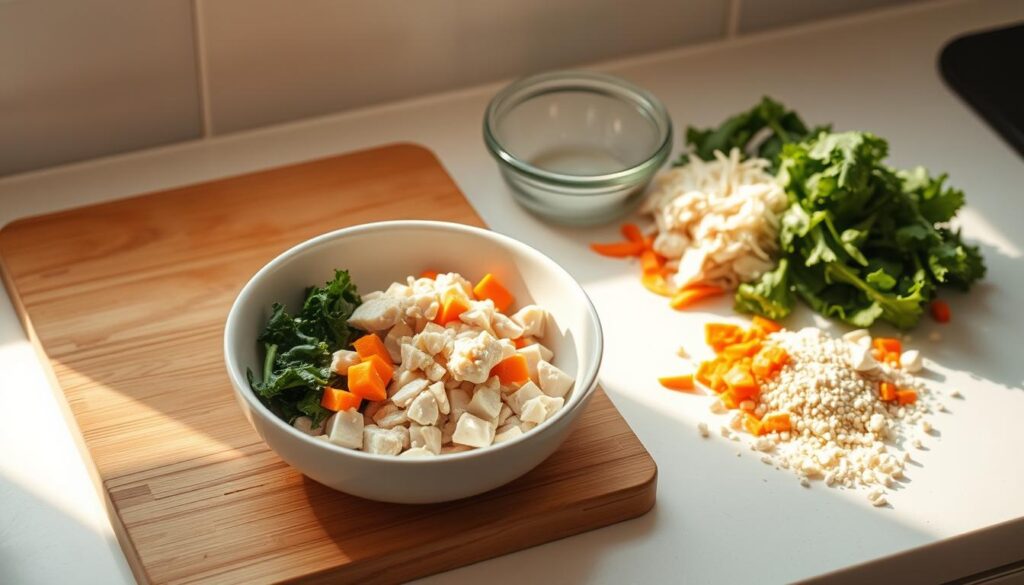
A simple and effective way to balance your cat’s raw diet is by following the 80-10-10 rule. This rule suggests that 80% of the diet should consist of muscle meat, 10% bone, and 10% organ meat. This balance provides the necessary protein, calcium, and other essential nutrients.
Recommended Meat Sources
When it comes to choosing the best ingredients for raw cat food, consider using high-quality muscle meats like chicken, turkey, or beef. You can also use fish, but be cautious of mercury levels in certain types of fish. Variety is key to ensuring your cat gets a broad spectrum of nutrients.
Incorporating Organ Meats Safely
Organ meats are rich in vitamins and minerals. Liver, kidney, and heart are excellent choices. However, they should be fed in moderation due to their high vitamin content. A general rule is to limit organ meats to 10% of the total diet.
Supplements for Nutritional Completeness
While a well-planned raw diet can be nutritionally complete, there may be instances where supplements are necessary. Omega-3 fatty acids, vitamin E, and probiotics are common supplements that can enhance your cat’s diet. Always consult with a veterinarian before adding any supplements to ensure they are necessary and safe for your cat.
By following these guidelines and using raw feeding resources for cats, you can create a balanced and nutritious raw diet for your feline companion. Remember, every cat is different, so it’s essential to monitor your cat’s health and adjust their diet accordingly.
Safe Handling and Preparation Practices
When adopting a raw diet for your cat, it’s crucial to understand the importance of safe handling and preparation practices. A raw diet can be highly beneficial for your cat’s health, but it requires careful handling to minimize the risk of bacterial contamination.
Proper Storage of Raw Ingredients
Storing raw ingredients properly is the first step in maintaining a safe raw diet for your cat. Keep raw meat, organs, and other ingredients in sealed containers at very low temperatures to prevent bacterial growth. It’s also essential to separate raw ingredients from other foods to avoid cross-contamination.
Hygiene During Preparation
Maintaining hygiene during preparation is critical. Wash your hands thoroughly before and after handling raw ingredients. Use clean utensils and cutting boards, and sanitize any surfaces that come into contact with the raw food. This will help prevent the spread of bacteria.
Serving and Cleanup Safety Protocols
When serving your cat a raw meal, ensure that the food and water bowls are clean. After your cat has finished eating, clean and sanitize the bowls and any utensils used. Proper cleanup is essential to prevent bacterial contamination and maintain a healthy environment for your cat.
By following these safe handling and preparation practices, you can help ensure that your cat’s raw diet is both safe and nutritious.
Transitioning Your Cat to a Raw Diet
Transitioning your feline friend to a raw diet requires patience, understanding, and a well-planned strategy. It’s not just about changing their food; it’s about adopting a new feeding lifestyle that can significantly impact your cat’s health and wellbeing.
Gradual Introduction Methods
To avoid digestive upset, it’s crucial to introduce raw food gradually. Start by mixing a small amount of raw food with their current diet and gradually increase the proportion over time. This gradual introduction helps your cat’s digestive system adjust to the new food.
For example, you can start with a 25% raw food and 75% current diet mix, gradually moving to 50%, then 75%, and finally 100% raw food over a period of days or weeks, depending on your cat’s sensitivity.
Dealing with Picky Eaters
Some cats can be finicky, making the transition challenging. To encourage acceptance, try warming the raw food slightly to enhance its aroma or mixing it with a small amount of their favorite wet food. Patience is key when dealing with picky eaters, as it may take some trial and error to find the right approach.
Monitoring Health During Transition
During the transition, it’s essential to monitor your cat’s health closely. Watch for signs of digestive upset, such as diarrhea or vomiting, and adjust the transition pace as needed. Regularly checking your cat’s overall condition, including their coat, energy levels, and stool quality, can provide valuable insights into how well they’re adapting to the raw diet.
When to Adjust or Reconsider
If your cat shows persistent signs of distress or fails to adapt to the raw diet, it may be necessary to adjust your approach or reconsider the diet altogether. Consulting with a veterinarian is advisable if you’re unsure about the transition process or if your cat has specific health needs.
Transitioning to a raw diet is a personal choice that should be based on what’s best for your cat’s health and wellbeing. By doing it correctly, you can help your feline friend reap the benefits of a raw diet, including improved health and vitality.
Commercial Raw Diet Options and Reviews
Commercial raw diet options have become increasingly popular among cat owners seeking a more natural feeding approach. These products offer convenience and a reduced risk of nutritional imbalances compared to homemade raw diets.
Frozen Raw Products
Frozen raw products are a popular choice among cat owners. They typically contain a mix of meat, organs, and bones, providing a balanced and nutrient-rich diet. Brands like Stella & Chewy’s and Primal Pet Foods offer a range of frozen raw options.
- High-quality protein sources
- Minimal processing
- Variety of recipes
Freeze-Dried and Dehydrated Options
Freeze-dried and dehydrated raw diets are another convenient option. They are lightweight, easy to store, and can be rehydrated as needed. Brands such as Orijen and Acana offer high-quality freeze-dried products.
- Long shelf life
- Easy to travel with
- Minimal preparation required
Evaluating Quality, Safety, and Value
When evaluating commercial raw diet options, consider the quality of ingredients, safety protocols, and overall value. Look for products that are made by reputable manufacturers and have undergone rigorous safety testing.
- Check for recalls and safety notices
- Read labels carefully
- Compare prices and nutritional content
By considering these factors, you can make an informed decision when choosing a commercial raw diet for your cat.
Conclusion: Making the Right Choice for Your Feline Companion
As you consider a raw diet for your cat, it’s essential to weigh the pros and cons and make an informed decision that suits your feline companion’s needs. A raw diet can be a great way to improve your cat’s overall health, from digestive health to coat condition, due to its potential to mimic their natural diet.
The importance of a raw diet for feline health lies in its ability to provide essential nutrients, promote healthy weight management, and support overall well-being. To ensure a successful transition, it’s crucial to consult with your veterinarian, choose high-quality ingredients, and follow safe handling practices.
For those looking to dive deeper into raw feeding, numerous raw feeding resources for cats are available, including online forums, veterinary guidance, and commercial raw diet options. By doing your research and planning carefully, you can provide your cat with a nutritious and balanced raw diet that enhances their quality of life.